Cirugía PRK (Queratectomía Fotorrefractiva)
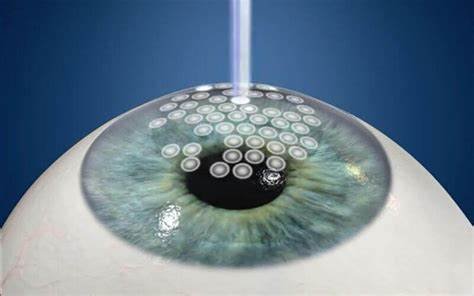
La PRK es nuestra tercera técnica láser más utilizada y consiste en remover las capas superficiales de la córnea antes de remodelar el estroma. Debido a que es un procedimiento ligeramente más invasivo, el tiempo de recuperación puede ser más largo, por lo que no se emplea con tanta frecuencia como otras formas menos invasivas de cirugía láser.
También conocida como Ablación Láser Superficial, la PRK utiliza únicamente un láser excimer para remodelar la córnea. A diferencia del LASIK, donde se crea un flap corneal, en PRK las células superficiales se retiran suavemente primero, exponiendo la capa subyacente que luego se remodela. Las células superficiales se regeneran con el tiempo, por lo que la recuperación es más lenta.
Aunque puede generar algo de incomodidad y un periodo de curación más largo, la PRK sigue siendo una técnica comprobada y efectiva para corregir la visión. Es especialmente útil para pacientes con córneas muy delgadas, que no son candidatos a los procedimientos SMILE o LASIK.
PRK es una buena opción si tienes: